


Last updated on January 28, 2026
If your skin has ever felt itchy, tight, tingly, flushed, or suddenly reactive, you aren’t imagining it. That uncomfortable sensation often described as overstimulated skin is your skin’s way of communicating that something is out of balance. It’s not a failure of your routine or your skin type. It’s feedback.
In this article, CBGardn will explore the most common reasons skin feels overstimulated, what your skin is really asking for in each situation, and practical sensitive skin care methods to fix the problem using a gentle, supportive approach.
What Does Overstimulated Skin Mean?
Overstimulated skin is not a medical diagnosis. It is a state where the skin’s protective systems are overwhelmed. This can show up as:
- Burning or stinging sensations
- Tightness even after moisturizing
- Redness or flushing
- Itchiness without a visible rash
- Sensitivity to products that used to feel fine
These sensations often come from irritation of the skin barrier or the nerve endings in the skin. Sensitive skin care focuses on reducing triggers, restoring the feeling of balance, and supporting the skin rather than pushing it to do more.
1. A Weakened Skin Barrier
Why This Happens
Your skin barrier is made up of lipids, proteins, and cells that work together to keep moisture in and irritants out. When this barrier is weakened, water escapes more easily, and external stressors can penetrate more deeply. This leaves nerve endings exposed and easily triggered, which can cause the skin to feel overstimulated.
Barrier damage often happens due to over-cleansing, harsh ingredients, frequent exfoliation, or environmental stress.
How to Fix It
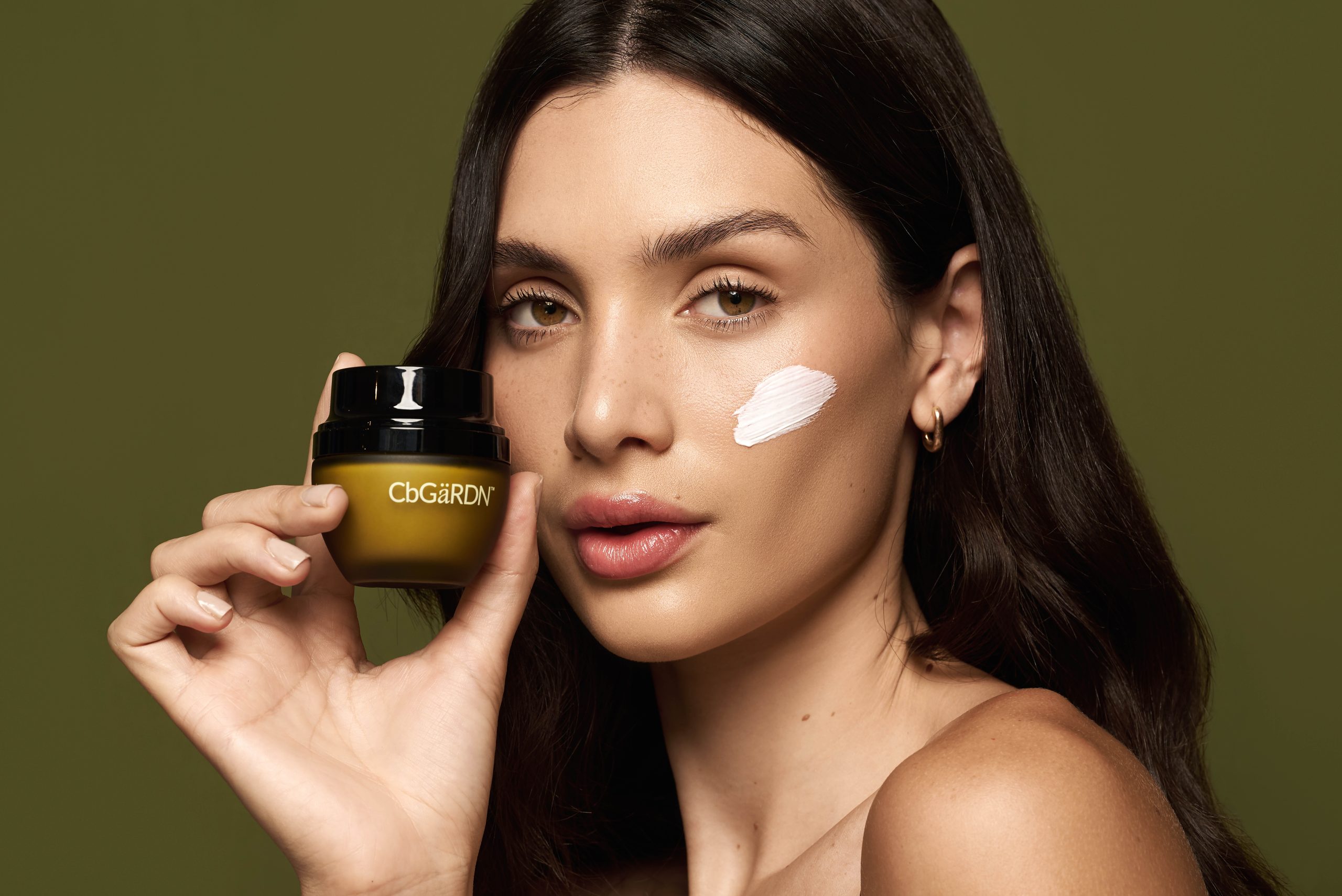
Your primary goal should be to keep your skin barrier feeling supported and resilient.
- Focus on replenishing moisture: A rich but gentle moisturizer helps restore lost lipids and reduces the feeling of sensitivity. The CB Bio-Restorative Crème is designed to deeply hydrate and support skin that feels compromised or fragile.
- Keep routines simple: Avoid adding multiple new products while your skin barrier is recovering.
- Be consistent: Using the same calming products daily allows the barrier to feel stronger over time.
Barrier repair is a cornerstone of effective sensitive skin care and often leads to noticeable comfort within weeks.
2. Harsh Cleansing Habits
Why This Happens
Cleansing is essential, but too much of it can do more harm than good. Washing too often, using hot water, or choosing cleansers that strip natural oils can disrupt the skin’s balance. This leaves skin feeling tight, dry, and reactive.
Over-cleansed skin often feels clean but uncomfortable, which is a clear sign of overstimulation.
How to Fix It
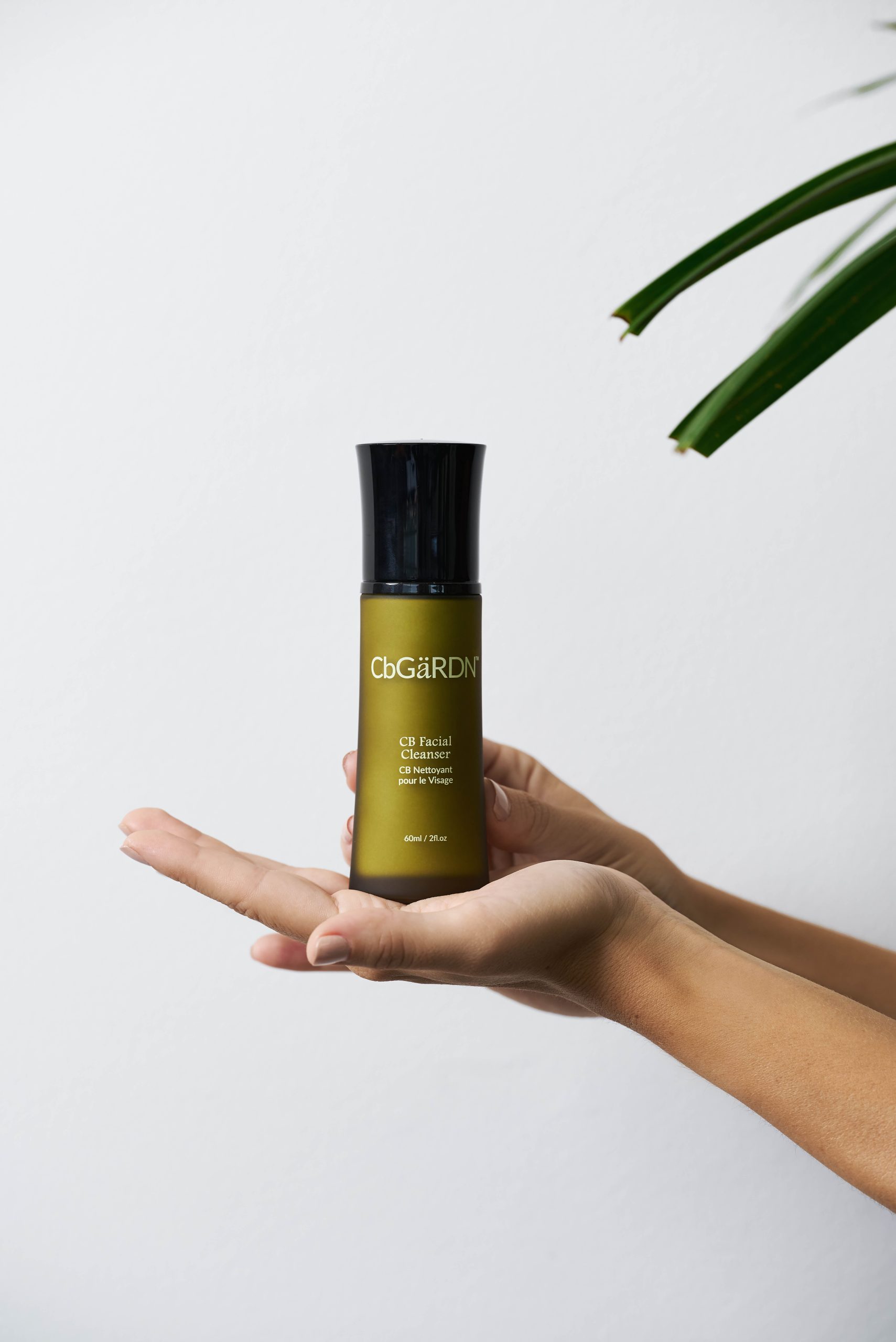
- Cleanse gently and intentionally: Use a mild cleanser that removes impurities without stripping the skin. The CB Facial Cleanser is formulated to cleanse while respecting the skin’s natural moisture.
- Limit cleansing to twice a day: Morning and evening are sufficient for most people with sensitive skin.
- Use lukewarm water: Hot water increases inflammation and dryness.
- Follow immediately with hydration: Applying your next step while skin is still slightly damp helps reduce moisture loss.
Gentle cleansing is one of the most impactful steps in any sensitive skin care routine.
3. Too Many Active Ingredients
Why This Happens
Active ingredients like exfoliating acids, retinoids, and strong botanical extracts can be beneficial, but too many at once overwhelm the skin. Layering multiple actives or using them too frequently can thin the skin barrier and increase nerve sensitivity.
This often results in stinging, redness, or a constant feeling that your skin is on edge.
How to Fix It
- Pause actives temporarily: Give your skin a break from exfoliation and strong treatments.
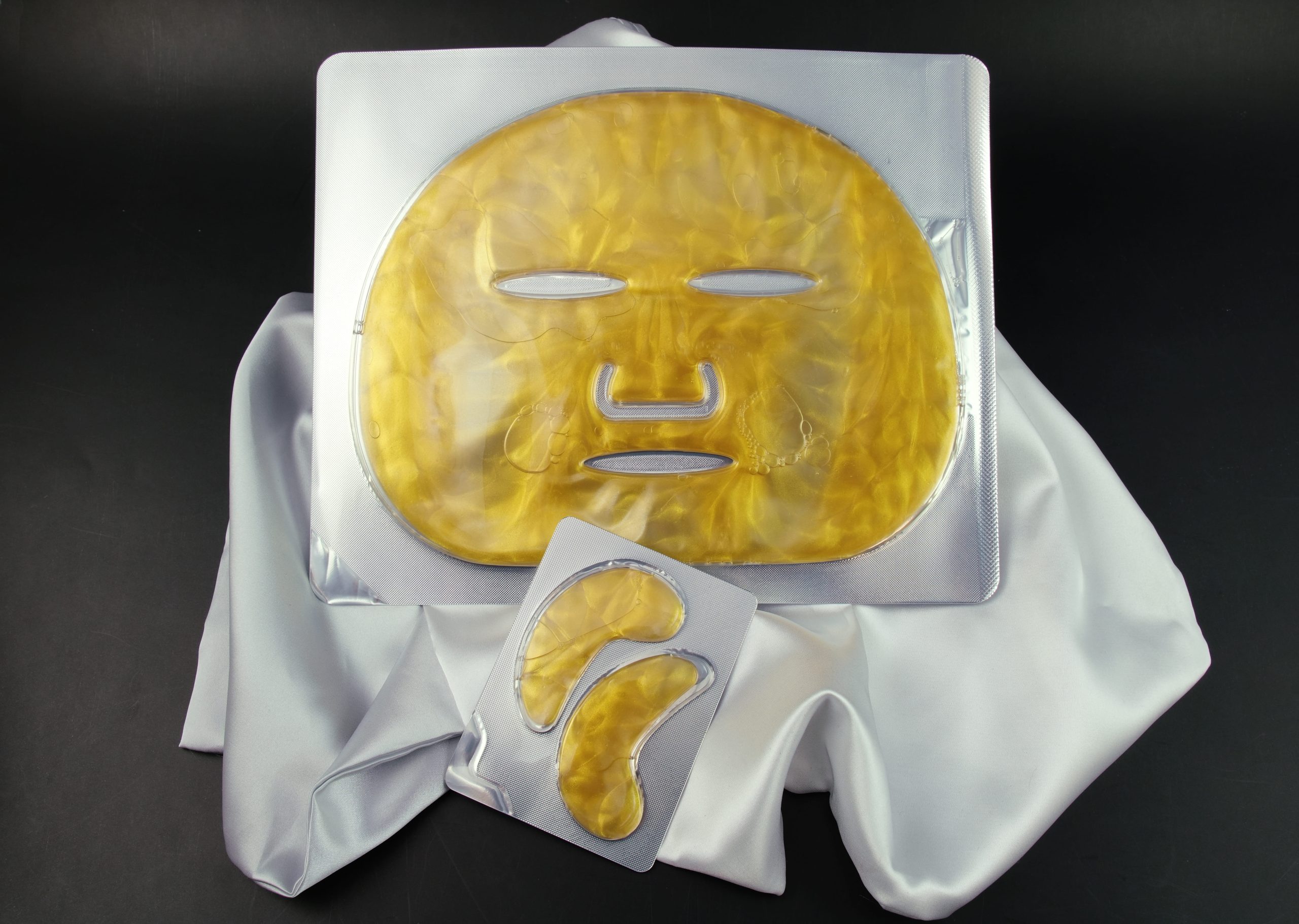
- Prioritize calming hydration: A soothing mask can help replenish lost moisture and reduce the feeling of inflammation. The CB BioLeaf Hydrating Facial & Eye Mask is ideal for moments when skin needs comfort more than correction.
- Reintroduce slowly: Once skin feels stable, reintroduce actives one at a time and less frequently.
Sensitive skin care thrives on balance, not intensity.
4. Environmental Stressors
Why This Happens
Your skin is constantly exposed to its surroundings. Cold air, wind, heat, sun, and pollution all place stress on the skin barrier. Seasonal changes are a common trigger for overstimulated skin, especially when humidity drops or temperatures fluctuate.
Environmental stress can make skin feel tight, itchy, or inflamed, even if your routine has not changed.
How to Fix It
- Increase moisturization during harsh conditions: Rich hydration helps shield the complexion from dryness and irritation.
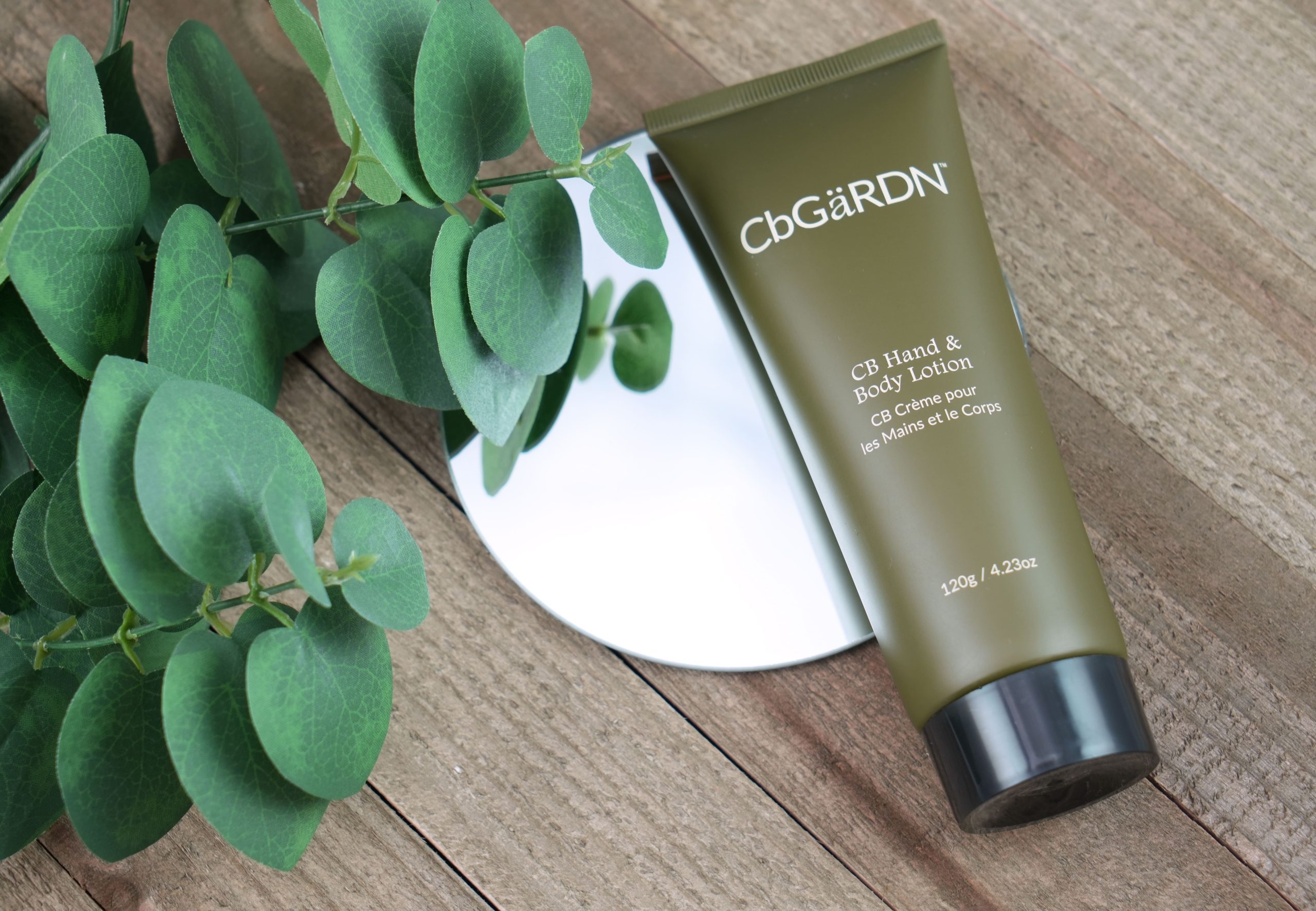
- Support exposed areas: The skin on the hands and body often shows environmental stress first. The CBGardn Hand & Body Lotion provides moisture and comfort to skin that feels dry or reactive due to weather.
- Stay consistent: Maintaining a stable routine helps skin adapt to environmental changes more easily.
Environmental protection is an often-overlooked part of sensitive skin care.
6. Stress, Sleep, and Lifestyle Factors
Why This Happens
Your skin and nervous system are closely connected. Emotional stress, lack of sleep, dehydration, and poor nutrition can all increase inflammation and reduce the skin’s ability to repair itself. When your body is under stress, your skin often becomes more reactive.
This can lead to flare-ups even when your skincare routine stays the same.
How to Fix It
- Create calming skincare rituals: Applying products slowly and intentionally can help signal relaxation.
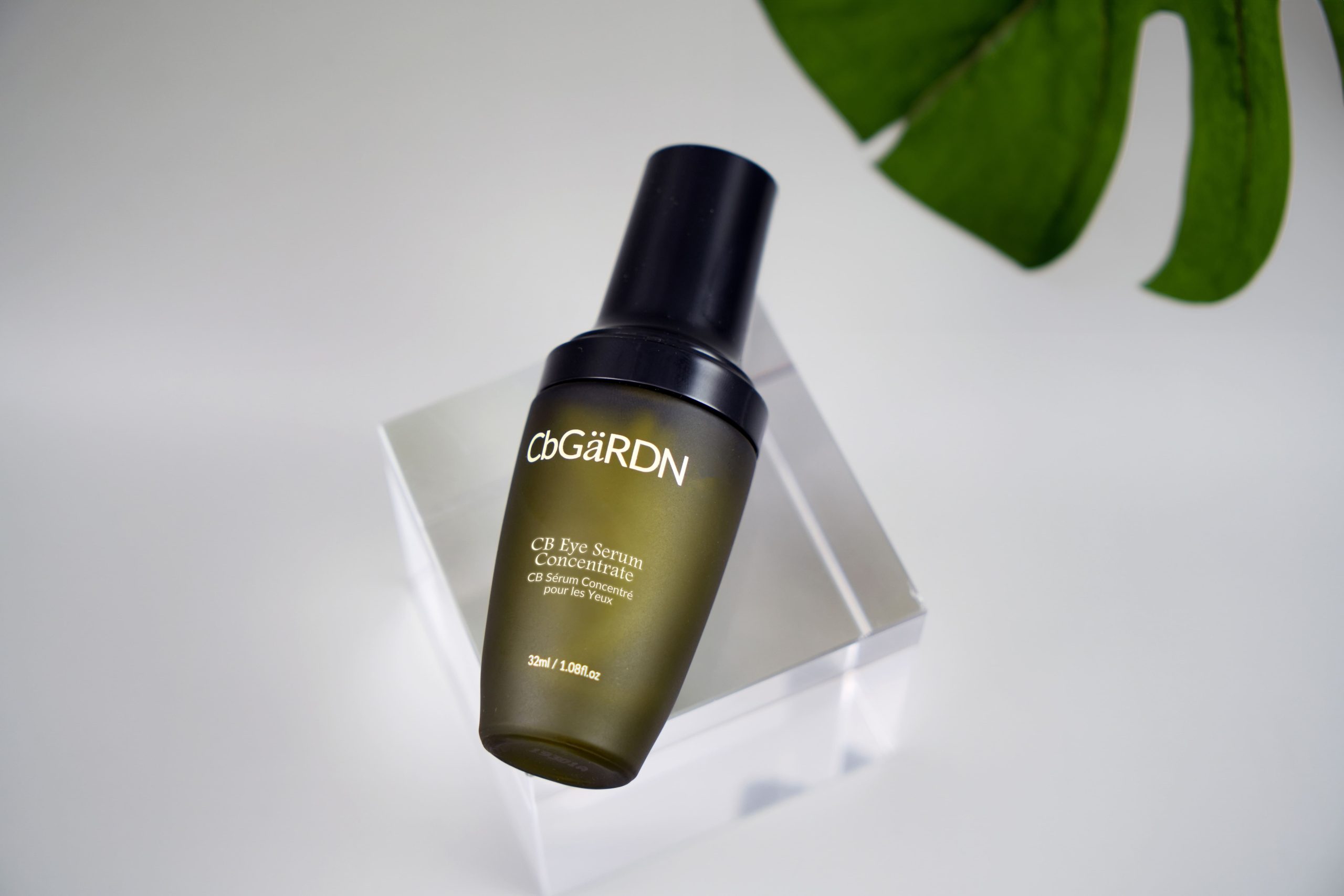
- Support delicate areas: The skin around the eyes often shows stress first. The CB Eye Serum Concentrate helps hydrate and soothe the feel of this sensitive area.
- Address lifestyle basics: Adequate sleep, hydration, and stress management support skin health from the inside out.
Sensitive skin care works best when skincare and lifestyle support each other.
7. Hormonal Changes
Why This Happens
Hormonal fluctuations related to menstrual cycles, pregnancy, postpartum changes, or menopause can significantly affect skin behavior. These changes can alter oil production, hydration levels, and inflammation, making skin feel more sensitive than usual.
During these times, even trusted products may suddenly feel irritating.
How to Fix It
- Adapt your routine as needed: During hormonal shifts, lean into calming and hydrating products rather than actives.
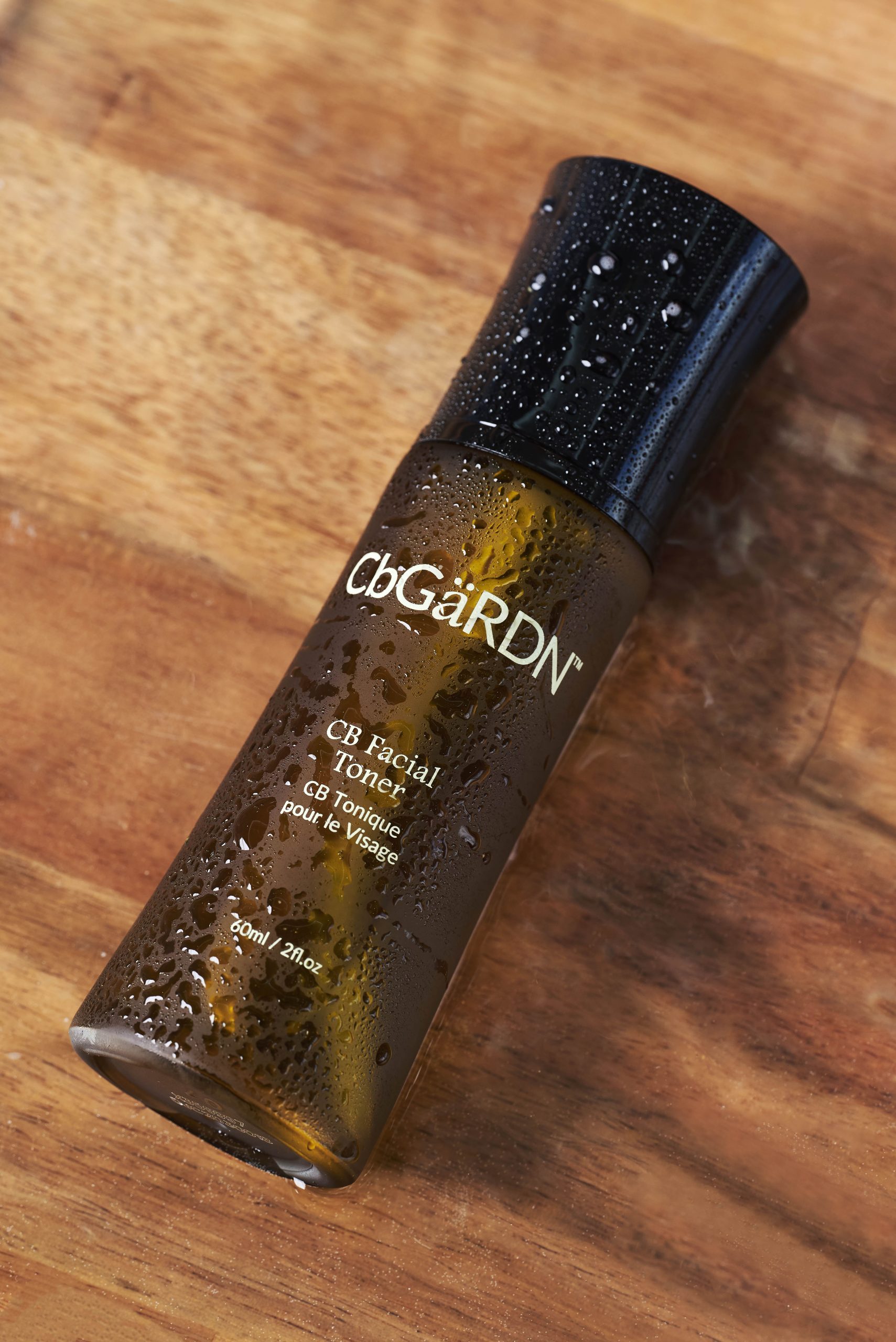
- Support overall skin balance: The CBGardn Facial Toner helps refresh and rebalance the complexion, which can be especially helpful when hormones make your skin feel unpredictable.
- Be patient: Hormonal sensitivity often improves once the body settles into a new rhythm.
Flexibility is an important part of long-term sensitive skin care.
8. Physical Irritation and Friction
Why This Happens
Friction from clothing, towels, masks, or even frequent touching can overstimulate sensitive skin. When skin is already compromised, physical irritation can intensify inflammation and discomfort.
This type of overstimulation often affects the neck, jawline, body folds, and hands.
How to Fix It
- Handle skin gently: Pat dry instead of rubbing and avoid rough fabrics.
- Reduce friction where possible: Choose soft, breathable clothing and adjust mask fit if needed.
- Moisturize vulnerable areas: Keeping skin well hydrated helps reduce friction-related irritation.
Physical gentleness is just as important as product choice in sensitive skin care.
9. Dehydration and Lack of Water in the Skin
Why This Happens
Dehydrated skin lacks water, even if it produces oil. This can cause tightness, dullness, and increased sensitivity. Dehydration makes nerve endings more reactive, which contributes to the feeling of overstimulation.
How to Fix It

- Layer hydration effectively: Use products that add water to the skin, not just oil. The products in the Collagen Cooling Set Limited Edition are perfect for this!
- Apply products on damp skin: This helps trap hydration.
- Drink enough fluids: Internal hydration supports external skin comfort.
Addressing dehydration is often one of the fastest ways to reduce discomfort in sensitive skin care routines.
Listening to What Your Skin Is Asking For
When skin feels overstimulated, it is not asking for more products, stronger treatments, or faster results. It is asking for patience, consistency, and care.
Sensitive skin care is about building trust with your skin. By understanding the reasons behind overstimulation and responding with gentle, supportive products, you allow your skin the space it needs to feel stronger and healthier.
Over time, a complexion that once felt reactive and uncomfortable can become calmer, more resilient, and more at ease. Sometimes, the most effective solution is simply learning to listen.
Click here to explore more bestselling skincare products from CBGardn.
